
Why Nigeria's Security Crisis Is Also a Battle for Public Trust


When armed groups kidnap schoolchildren, behead a teacher, or abduct a retired general and film it for the world to see, they are not only committing crimes. They are sending a message. That message is the real weapon, and understanding it is the first step toward defeating it.
Nigeria faces violence on many fronts, from Boko Haram and Islamic State affiliates in the northeast to banditry and mass kidnapping that now reach the southwest and southeast. Beneath the headlines sits a quieter contest that decides who is winning. It is a contest for what the public believes about its own government.
The Real Target Is Your Confidence
Modern terrorism is designed to shape perception. The goal is to convince ordinary citizens that the state cannot protect them, so that fear does the work that bullets cannot.
"The decisive terrain in Nigeria today is not a forest or a border. It is public trust."
For practitioners, this reframes the mission. A rescue operation that succeeds quietly can still be a strategic loss if the public never hears about it. Protecting people and communicating that protection are now two halves of the same task.
How the Enemy Weaponizes Information
This is where national security meets the digital world, and where cybersecurity, privacy, and AI professionals have a direct stake. Armed groups now use everyday technology to amplify fear:
Viral videos of attacks, edited and circulated to reach millions within hours
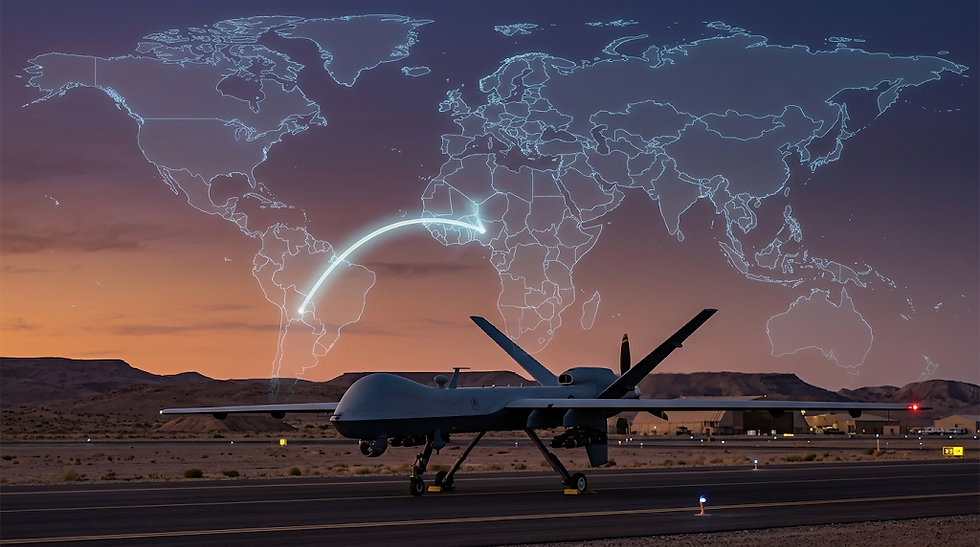
Commercially available drones, used both to strike and to film, creating an impression of technical superiority
Targeted propaganda that frames Nigerian forces as weak, even when operations succeed
Disinformation that turns local tragedies into national panic
The lesson for analysts is simple. The same tools that power legitimate communication can be turned into instruments of psychological warfare. Monitoring this information space is now as important as tracking physical movement.
Why Division Hands the Enemy a Victory
Insurgents want a fractured society. When public figures politicize an attack, blame rivals, or treat a kidnapping as a chance to score points, they reinforce the exact narrative the enemy is selling: that the country is leaderless and divided.
A unified national response does the opposite. It denies the enemy its central claim. For policymakers and intelligence professionals, unity is not a slogan. It is an operational advantage.
What a Stronger Response Looks Like
A credible strategy combines force with three elements that rebuild trust:
Accountability. When perpetrators are arrested and prosecuted, impunity stops fueling recruitment.
Honest communication. Telling the public the truth, including hard truths, is more persuasive than silence.
Information defense. Countering propaganda and disinformation should be a planned function, not an afterthought.
"You cannot win a war for public belief with technology alone. Trust is rebuilt by protecting people and telling them the truth."
Conclusion
Nigeria's security crisis is a test of cohesion as much as capability. The violence is engineered to make citizens lose faith, and the antidote is a protected, informed, and united public. Technology matters, but it cannot replace trust, accountability, and clear communication.
OGUN Security Research and Strategic Consulting LLC (OSRS) helps government agencies, businesses, and security teams understand and counter these threats. We provide strategic analysis, threat assessments, and advisory support across counterterrorism, transnational cybercrime, and AI-driven risks, so leaders can act with clarity in moments that matter.
Found this analysis useful? Please share it with your network and subscribe to our email list for more expert insights.
Enjoyed this article? Stay informed by following us on Google News, Twitter, and LinkedIn for more exclusive cybersecurity insights and expert analyses.
Author bio
Dr. Sunday Oludare Ogunlana is the Founder and CEO of OGUN Security Research and Strategic Consulting LLC (OSRS) and a Professor of Cybersecurity. He is a national security scholar and commentator specializing in African security, transnational cybercrime, and AI-driven threats, and he advises intelligence, policy, and national security bodies.


Comments