
The TikTok Ban: Examining the National Security Concerns and Public Opinion in the United States

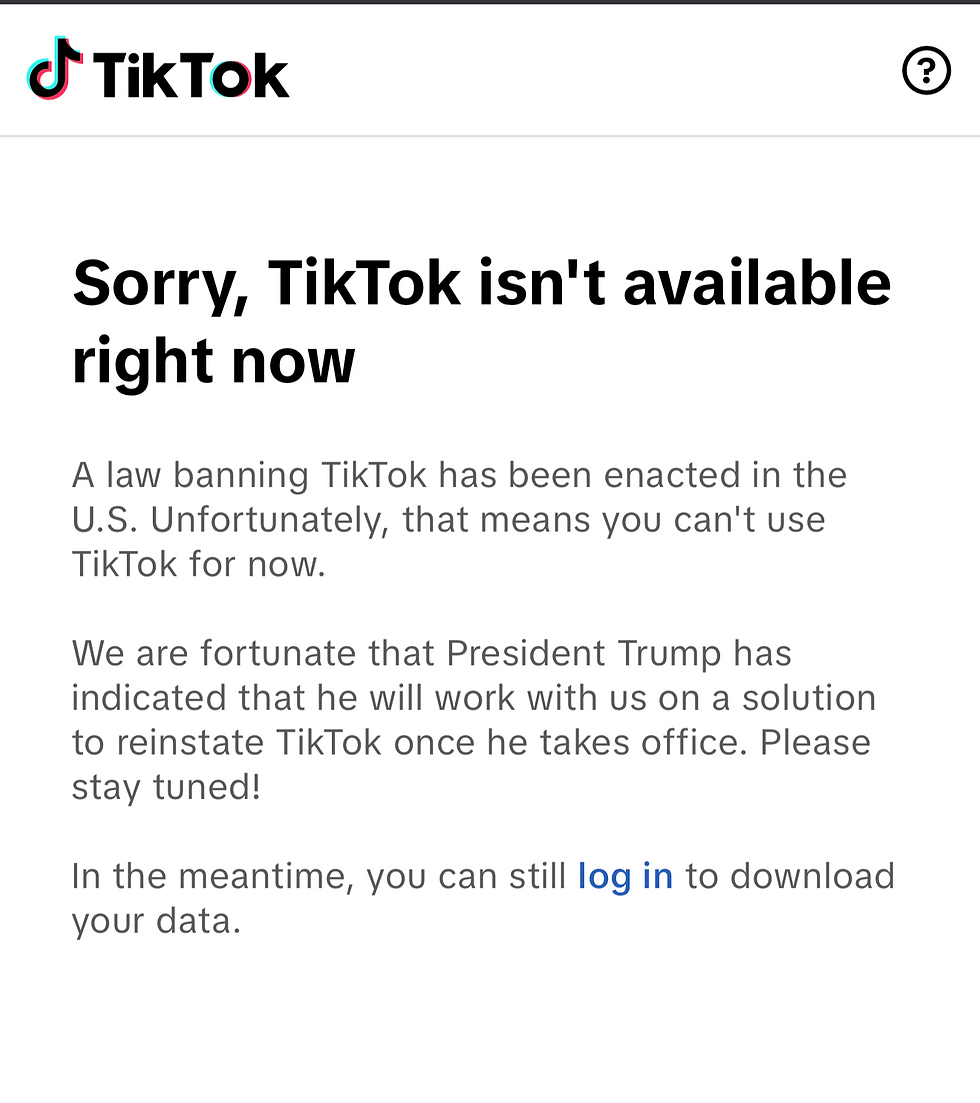
As of January 19, 2025, TikTok has officially ceased operations in the United States following the implementation of a bipartisan law banning the application within the country. This legislation, grounded in concerns over national security, reflects the U.S. government's resolve to address potential threats posed by foreign-controlled digital platforms. With over 170 million American users affected, this action has significant implications, particularly for individuals and businesses whose livelihoods depend on the platform.
TikTok's immense popularity in the United States underscores the contentious nature of this decision. A substantial portion of the public remains opposed to the ban, arguing for the platform's utility and cultural significance. However, this widespread opposition—the "banana pill" of public opinion—should not overshadow the fundamental national security concerns at stake. The central issue lies in the fact that TikTok’s servers are located outside U.S. borders and are subject to the jurisdiction of a foreign government, which has the authority to compel the company to share sensitive user data. This vulnerability transforms TikTok into a potential intelligence asset for adversaries, enabling foreign entities to exploit the platform for surveillance or influence operations against the United States.
China’s approach to similar platforms demonstrates the strategic importance of controlling cyberspace. Beijing has long prohibited U.S.-based social media platforms such as Twitter (now X), Facebook, and Instagram, recognizing the intelligence risks they pose. By comparison, the United States' decision to ban TikTok can be viewed as a defensive measure within the larger context of cyberspace as a domain of geopolitical competition.
A decade ago, in my doctoral dissertation, I argued that cyberspace represents a new battleground where nation-states and other actors vie for influence and strategic advantage. Those adept at leveraging intelligence tools within this domain hold a distinct edge over their competitors. The TikTok ban aligns with this perspective, as it seeks to mitigate the risks posed by a foreign-controlled platform operating within U.S. territory. While this move may not resonate with all Americans, the long-term national security benefits outweigh the immediate inconveniences.
As a Professor of Cybersecurity, I support the bipartisan legislation that led to the banning of TikTok. It is a proactive measure to safeguard national interests in an era where data has become a critical asset in global power dynamics. However, this does not mean that the platform cannot operate in the United States under different conditions. One viable alternative would be for TikTok to sell its U.S. operations to an American company and relocate its servers within the country, thereby subjecting its data to U.S. laws and oversight.
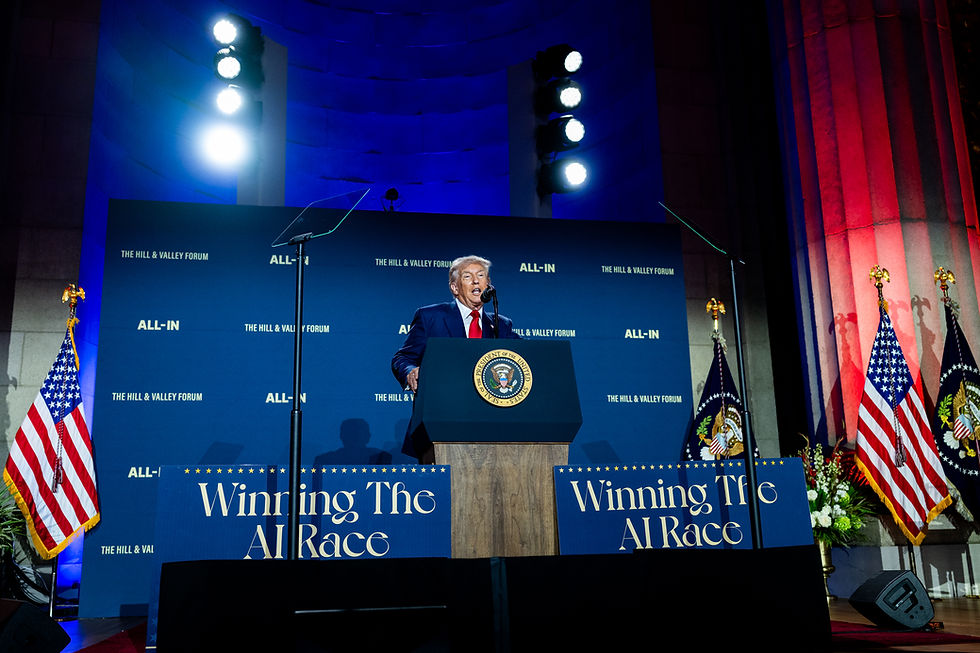
The incoming administration of President Donald Trump, who takes office tomorrow, January 20, 2025, faces the critical challenge of navigating the intersection of national security and public opinion. It is essential to depoliticize this issue and frame it as a matter of vital national interest. The new administration must seek to educate the public on the rationale behind the ban while exploring solutions that balance security concerns with the platform’s economic and cultural value. Ultimately, safeguarding national security should remain the paramount consideration, even as we address the broader implications of this significant decision.
Dr. Oludare Ogunlana


Comments